
Virtual Reality
A fully digital environment that replaces what the user sees. Best when focus, immersion, practice, or impossible environments matter.
Virtual Reality Development Company
EggyStudio builds immersive VR, mixed reality, WebXR, 360 tours, training simulations, spatial computing apps, and virtual showrooms that help people understand complex products and places by experiencing them.
VR, MR, XR, Spatial
Immersive technology is a spectrum. Some projects need a completely digital training world. Some need a real room with digital objects inside it. Some only need a fast 360 tour. This section makes the difference clear.
A fully digital environment that replaces what the user sees. Best when focus, immersion, practice, or impossible environments matter.
Digital objects appear inside the physical world and can feel spatially present. Best when real surroundings still matter.
The umbrella term for immersive technology across AR, VR, MR, WebXR, spatial computing, and headset-based experiences.
Apps and interfaces that understand depth, room context, hand gestures, eye input, objects, and 3D placement.
Choose The Right VR Service
A strong VR project is not just a headset demo. It has a purpose: safer practice, faster sales, clearer training, better collaboration, or more memorable storytelling.
Use VR training simulation.
Create repeatable scenarios with scoring, coaching, mistakes, and measurable improvement.
Use a VR walkthrough or virtual showroom.
Let people inspect layouts, products, properties, showrooms, museums, or event spaces remotely.
Use 360 video or an interactive tour.
A lighter immersive format can launch quickly and work across web, mobile, and headsets.
Use multi-user VR.
Avatars, synced objects, spatial audio, and guided facilitation bring teams into one virtual space.
Use mixed reality or spatial computing.
Passthrough, hand tracking, anchors, and depth-aware UI keep the physical world part of the experience.
VR Service Types
These are the service categories clients usually mean when they ask for VR, MR, XR, or spatial computing. Each one solves a different business problem.
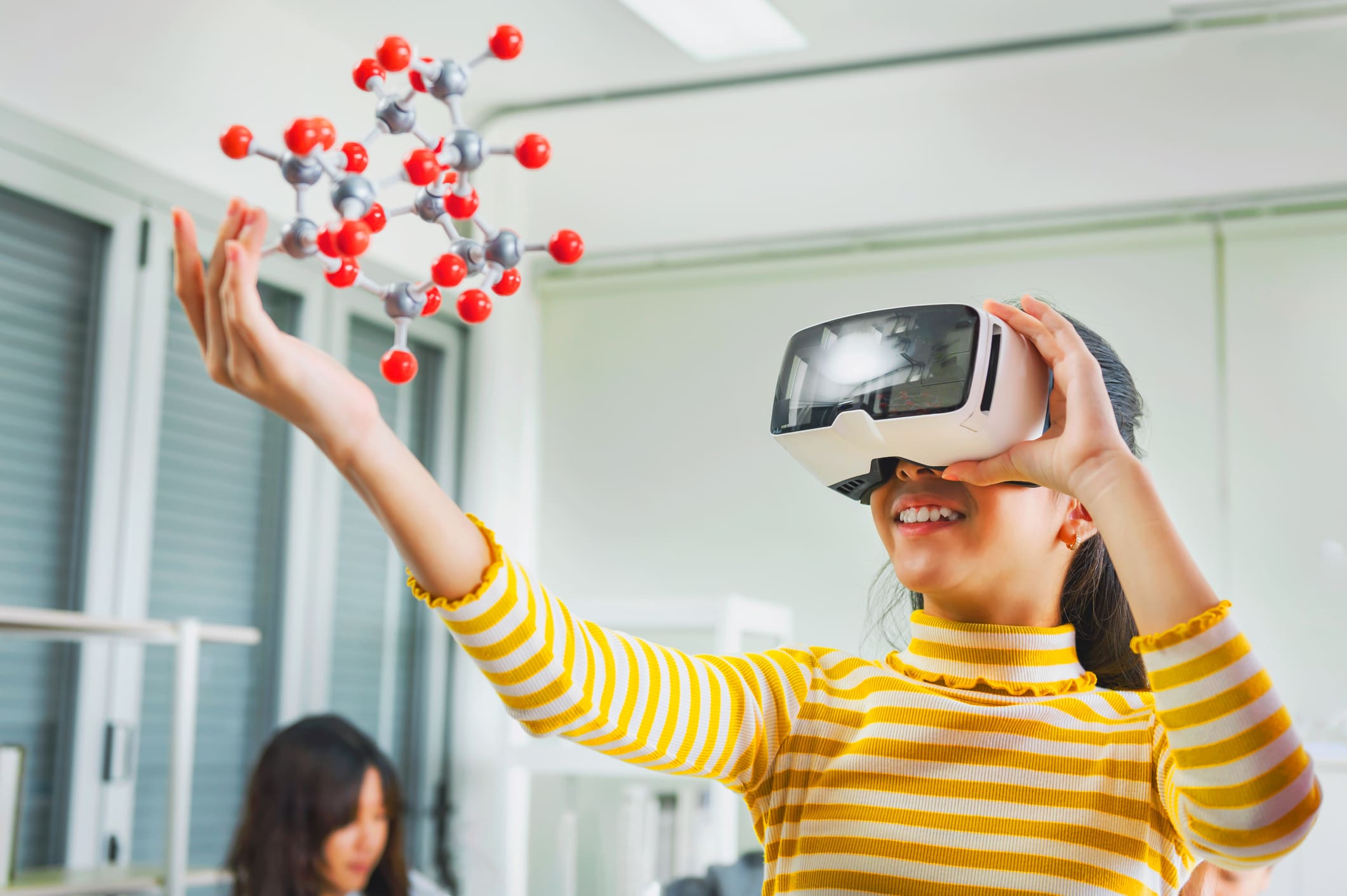
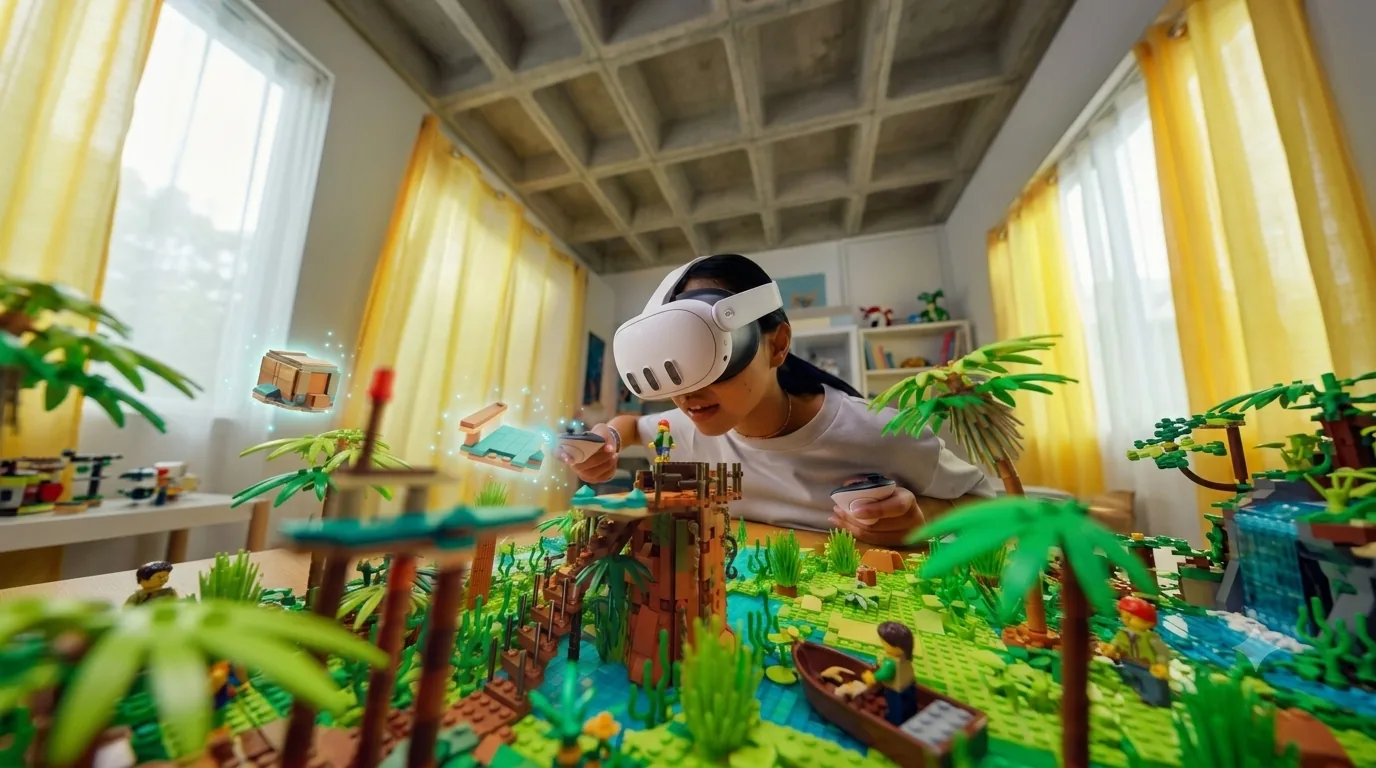
Fully immersive VR places users inside a simulated 3D environment. It is the right choice when you want people to practice, explore, learn, sell, or experience something that cannot be safely, affordably, or repeatedly done in the real world.
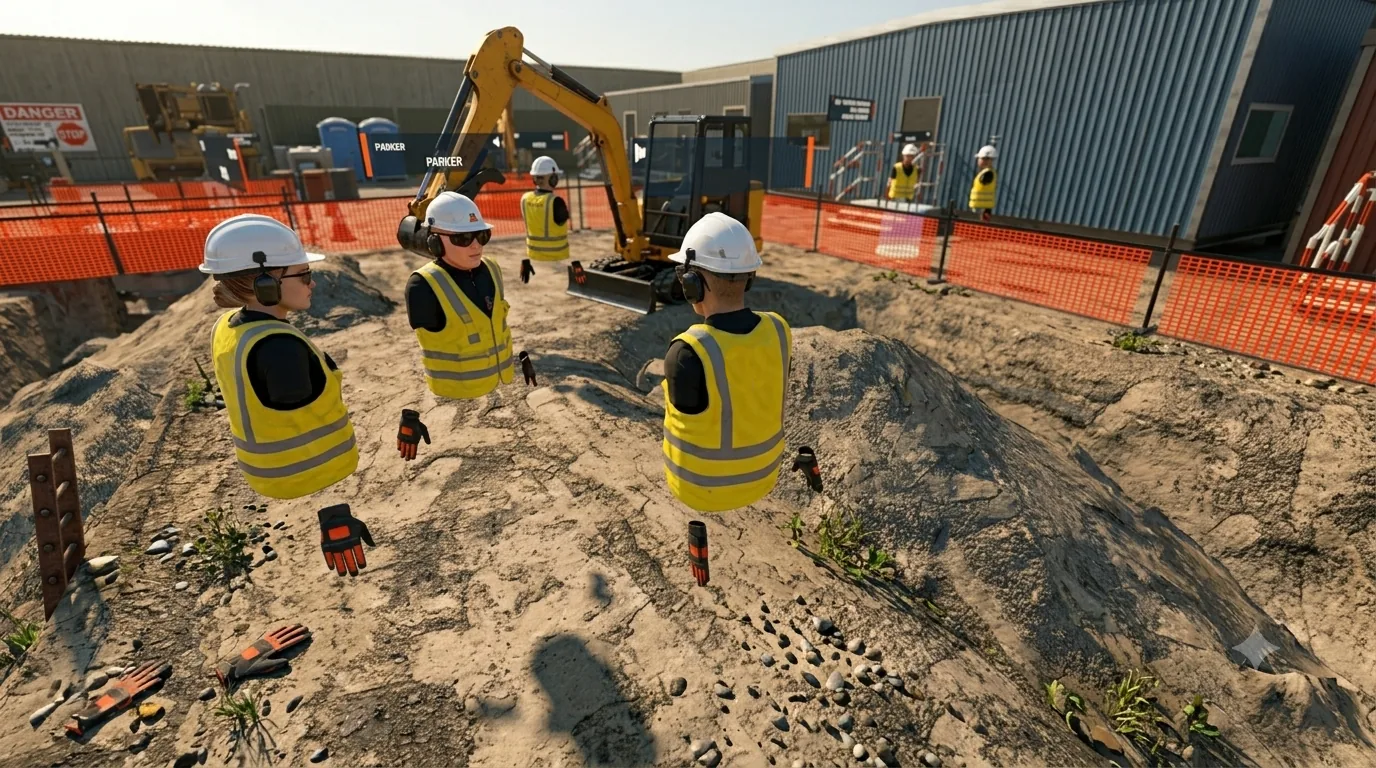
VR training simulations teach decisions, safety, equipment use, soft skills, and repeatable procedures. Scoring, mistakes, completion time, and scenario progress can be tracked so training becomes measurable.
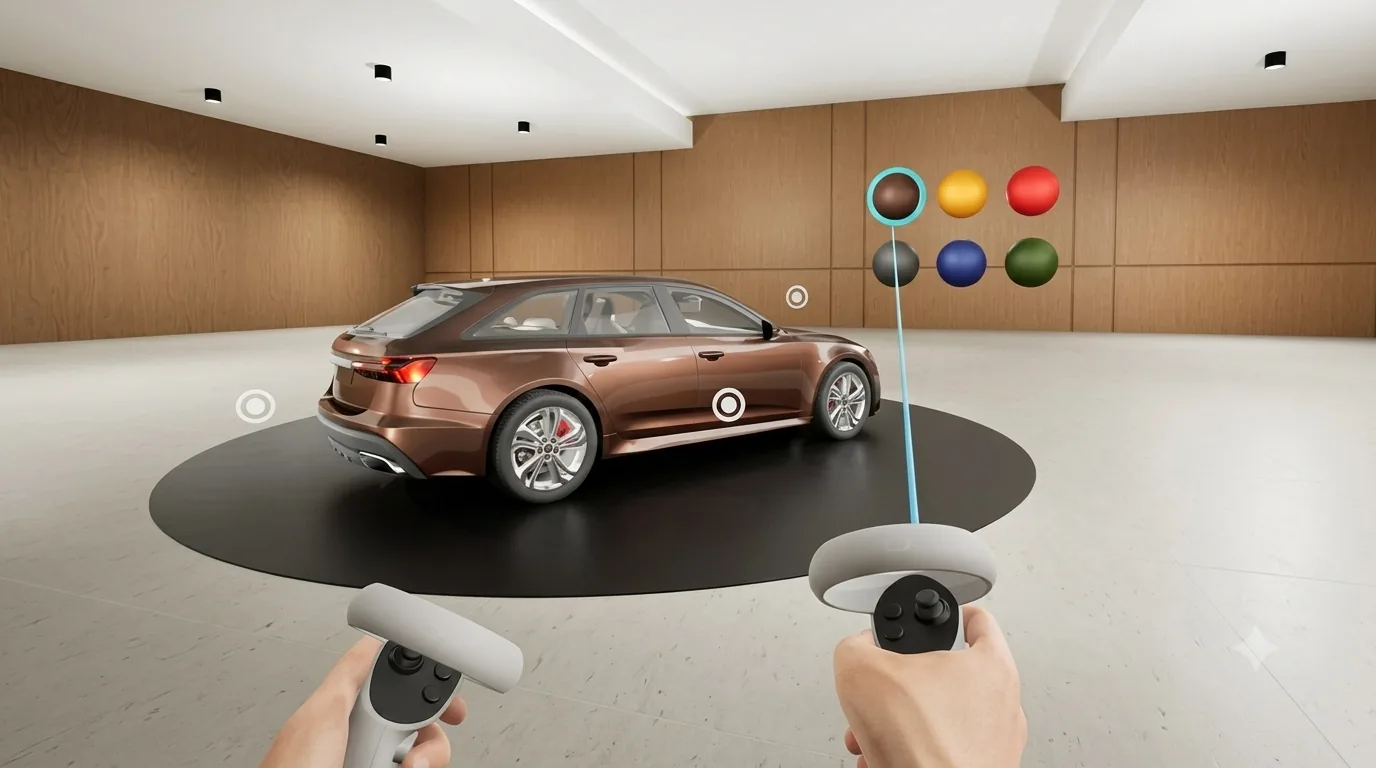
Virtual showrooms and VR walkthroughs let buyers inspect properties, products, factories, stores, museums, or event spaces before they visit. They are built for guided tours, self-navigation, and high-confidence sales conversations.
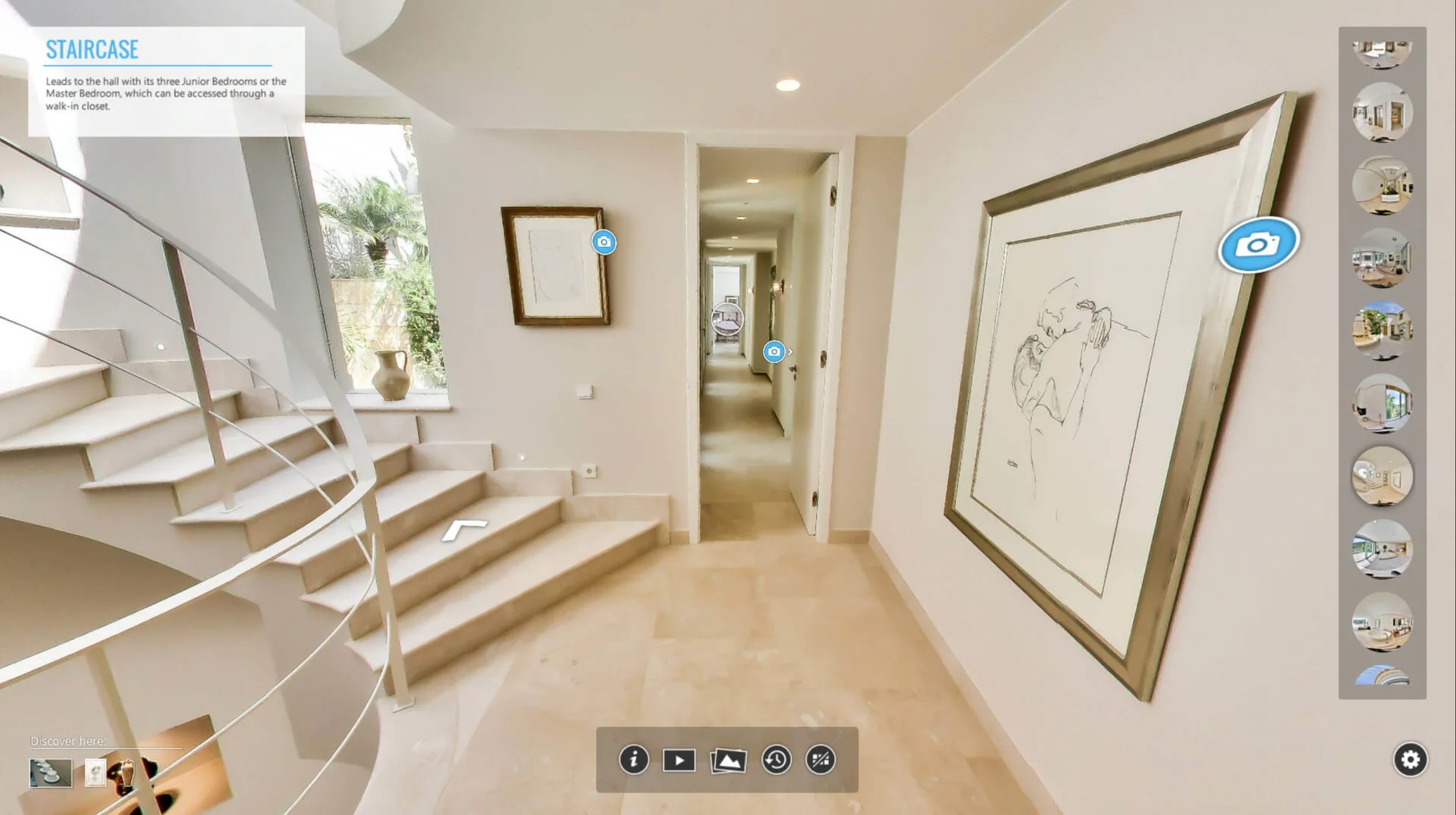
360 video and interactive tours are lighter than a fully modeled VR world. They are ideal when the real place already exists and the goal is fast access, guided storytelling, mobile compatibility, or headset-friendly viewing.
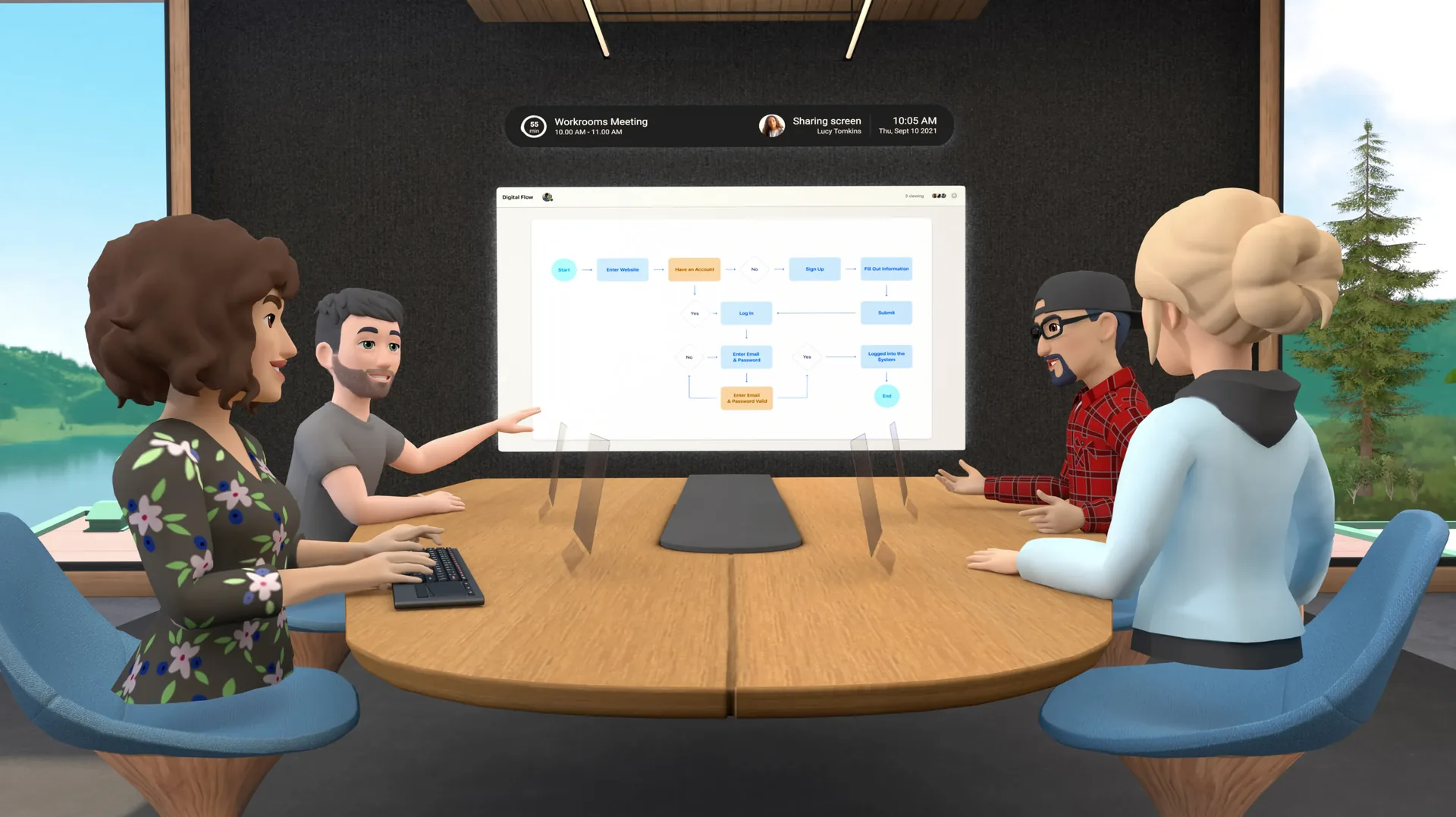
Multi-user VR brings people into the same virtual environment with avatars, voice, shared objects, guided sessions, and synced state. It works when teams need remote collaboration, training, reviews, or workshops.
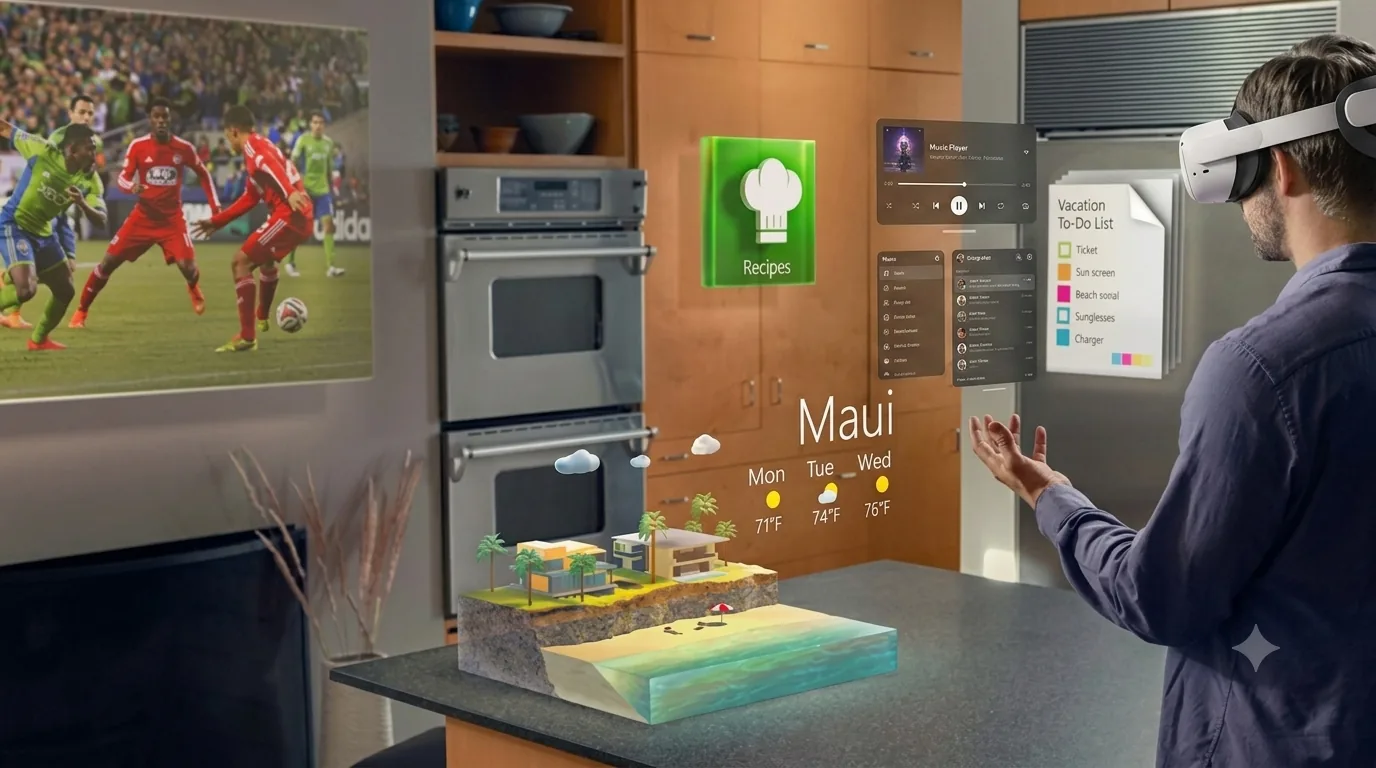
Mixed reality blends digital objects with a user's physical space using passthrough, spatial anchors, hand tracking, and depth-aware interfaces. Spatial computing expands that idea into apps that understand space, gaze, gestures, and 3D content.
VR Platforms
We choose the stack around performance, comfort, distribution, and analytics: native headset apps for deep immersion, WebXR for browser access, and spatial platforms when physical context matters.
Where VR Works Best
01
Emergency drills, equipment handling, compliance, onboarding, and skill assessment in repeatable VR scenarios.
02
Immersive property tours, architectural previews, unit configurators, and remote walkthroughs for buyers.
03
Virtual stores, product worlds, guided demos, configurable displays, and sales enablement environments.
04
Anatomy, procedure rehearsal, classroom labs, empathy training, and interactive learning modules.
05
Venue previews, destination tours, festival maps, brand worlds, and interactive 360 storytelling.
06
Multi-user design reviews, remote workshops, team training, virtual twins, and spatial presentations.
How We Build
We decide whether the experience should be full VR, 360, WebXR, MR, or spatial computing.
Training, selling, touring, collaborating, or learning all need different movement, comfort, and interaction rules.
Motion, scale, frame rate, controls, and onboarding are tested early to reduce sickness and confusion.
Assets, lighting, textures, physics, and interactions are tuned for the headset or browser target.
We connect completion, engagement, scenario scores, interaction events, and business outcomes where needed.
Quick Answer
Choose VR training when people need to practice procedures, decisions, safety, or soft skills in repeatable scenarios.
Choose a virtual showroom when customers need to inspect a product, place, property, or environment before visiting.
Choose mixed reality when digital tools or products should appear inside the user's real physical space.
Choose WebXR or 360 when fast browser access matters more than a full native headset app.
Common Questions
These are the questions teams usually ask before starting a VR, MR, XR, or spatial computing project.
VR development is the process of building immersive digital environments that users enter through a headset or compatible device. Instead of adding digital content to the real world like AR, VR replaces the user's surroundings with a simulated 3D space for training, product demos, games, walkthroughs, collaboration, or education.
Still comparing immersive formats? Visit our FAQs page if you have any questions, then reach out when you are ready.
Tell us what you're building. We'll map the fastest path from idea to shipped product.
Email Directly